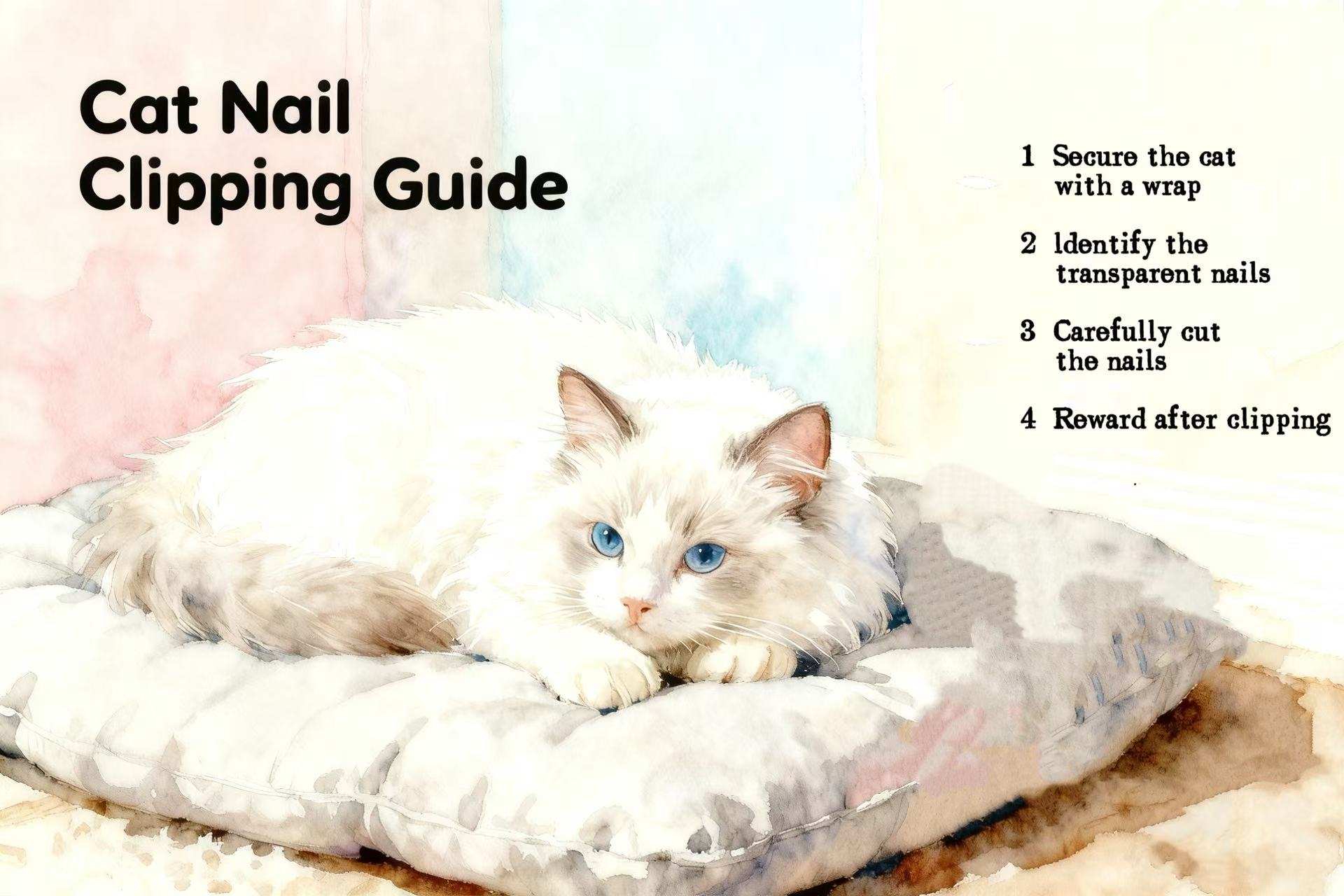
As responsible cat owners, we all know that trimming our cats' nails is an essential daily routine. It not only protects your sofa and curtains from damage but also prevents your cat's nails from getting caught on things while playing or climbing, causing tears and injuries.
However, the sight of nail clippers can instantly turn many cats into "martial arts masters," dodging and weaving, even kicking and punching. This isn't because they're being naughty, but rather stems from instinctive fear and anxiety.
Don't worry! This guide will completely change your and your cat's perspective on "nail trimming." We'll teach you step-by-step how to make the process gentle and smooth, from psychological preparation to practical techniques.
Part One: Psychological Preparation – Why Do Cats Resist So Much?
Before we begin, we must first understand cats. Their nails are not only weapons but also organs for climbing and marking territory. At the base of the nail is a living tissue called the "suction vein," filled with blood vessels and nerves; cutting it will be extremely painful! Therefore, a cat's resistance stems from:
• Instinctive insecurity: having its paws restrained means losing its most important defense and escape tool.
• Fear of the unknown: The shiny "pliers" and the "snip" sound are frightening.
• Bad memories: There may have been past experiences of being hurt or treated roughly during nail trimming.
Our core goal: Not to "complete the task," but to build trust and make the cat feel safe.
Part Two: Preparation – Creating a stress-free nail trimming environment
1. Choose the right tools:
• Pet-specific nail clippers: Better than human nail clippers, they cleanly and neatly trim cat nails, preventing splitting.
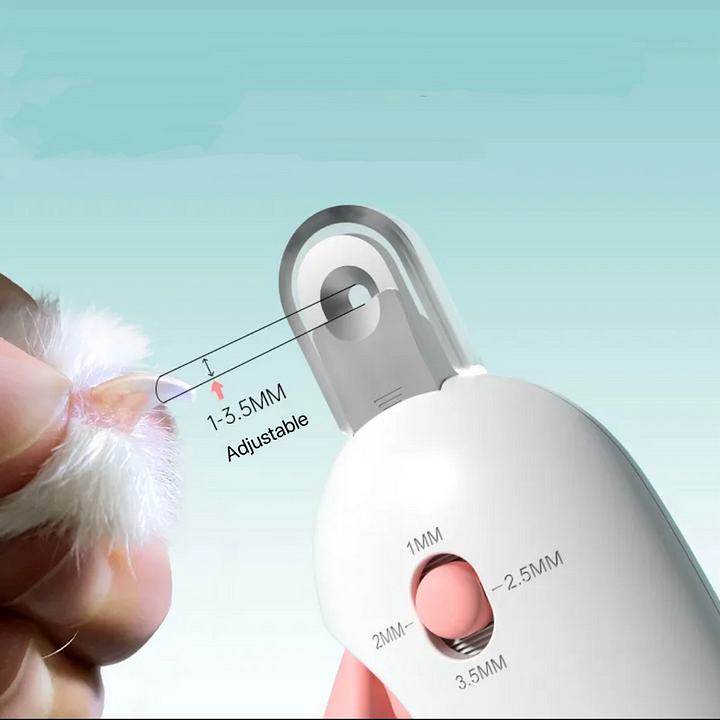
• Strychnoid powder or cornstarch: Can be used immediately to stop bleeding in case of accidental cuts. Being prepared gives you peace of mind.
2. Choose the right time:
• When the cat is relaxed: For example, after waking up, after eating, or when it is napping or drowsy. • Avoid doing this when it's excited or playing.
• You can try "after a bath": Some cats are more confused and less resistant after a bath (but this varies from cat to cat).
3. Create a comfortable atmosphere:
• Do this in a quiet, familiar room, avoiding family members moving around or making loud noises.
• You can sit on the sofa and gently place the cat on your lap, with its back to you. This position restricts its movement while making it feel safe.
Part Three: Practical Techniques – The Gentle Yet Firm "Four-Step Method"
Step One: Desensitization and Adaptation (The most crucial step!)
Start this practice a few days before actually trimming its nails:
• Frequently and gently stroke its paws and paw pads to get it used to having its paws touched.
• Place the nail clippers near it, let it smell them, and reward it with a treat when it remains calm.
• Without actually trimming, simulate the action of trimming nails: Gently press its paw to expose the nails, then lightly touch the nails with the nail clippers while giving it a treat.
Step Two: Securely Hold and Provide a Sense of Security
• Gently hold your cat between you and your thigh using your non-dominant arm and body, making it feel secure and protected, rather than being forced.
• Hold one of its front paws with the same hand, and gently press the top and bottom of the paw with your thumb and forefinger. The nail will extend naturally.
• Step Three: Find the Right Spot and Trim Quickly and Steadily
• Look for the quick! Under light, you can see a pink vein through the cat's transparent nail; this is the quick.
• How Much to Trim? Our goal is to trim the sharp, transparent tip of the quick. To be conservative, it's recommended to trim only 1-2 millimeters of the tip. It's better to trim less than more!
• Trimming Angle: Cut from the side of the nail at approximately a 45-degree angle. This makes it easier to cut.
• Be Quick: Find the right spot and cut decisively. Delaying will increase the cat's anxiety.
Step 4: Reward Promptly and Stop While You're Able to
• Give your cat a small treat after each nail is successfully trimmed! This will help it associate "nail trimming" with "something good happening."
• If your cat starts showing impatience (tail wagging rapidly, ears flattening, barking warning sounds), **stop immediately.** Even if you've only trimmed two or three nails, reward it and let it go.
• A perfect experience is more important than trimming all the nails at once. The rest can be done tomorrow.
Part 4: Special Situations and Tips
What if your cat struggles violently?
• Stop immediately! Forcing it to continue will only damage trust and make it harder next time.
• Consider the "towel method": Loosely wrap your cat in a large towel, leaving only one paw exposed. This effectively restricts its movement while giving it a sense of security.
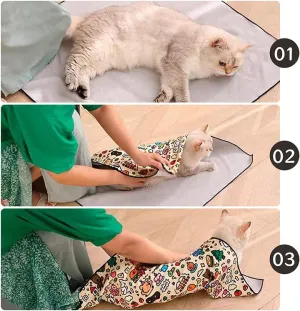

• Seek help: Have a family member help soothe and feed the cat while you perform the trimming.
• What about black nails? For black cats or cats with opaque nails, the quick (the white line on the nail) is difficult to see. Extra caution is needed in these cases.
Only trim the very tip of the nail.
Only trim the very tip of the nail.
Alternatively, use a nail file to smooth the tip; although slower, it's absolutely safe.
How often should you trim it?
For most domestic cats, trimming every 2-4 weeks is sufficient. Check regularly; trim it when the nail is sharp enough to snag your sweater.
Ultimate solution: If all other methods fail.
If your cat is extremely afraid and resistant to nail trimming to the point that it affects your relationship, don't force it. Seek help from a professional groomer or veterinarian. They are professionals who can handle it quickly and safely.
In summary, trimming a cat's nails is a process of patience and trust. Please remember the following keywords:
Patience > Speed
Reward > Compulsion
Trust > Task
When you stop seeing it as a battle and instead see it as an intimate interaction with your pet, you and your cat will discover that "nail trimming" can be so peaceful and heartwarming.